

Buying near Lake Lanier can offer access to water views, recreation, and strong lifestyle appeal, but the smartest purchases usually come down to details buyers check before they fall in love with the setting. From Corps of Engineers rules to flood considerations, road access, and seasonal activity levels, a little due diligence can protect your budget and your long-term enjoyment. These seven checks can help you evaluate a home near Cumming with more confidence.
1. Confirm What “Lake Access” Really Means
Listings near Lake Lanier often use terms like lake view, lake access, close to the lake, or Corps line, and each phrase can mean something different in practice. A property may overlook the water but have no direct path to it. Another may have a path but no permission for a dock. Before moving forward, ask for a clear explanation of the lot lines, the distance to the shoreline, and whether any access crosses shared or restricted land.
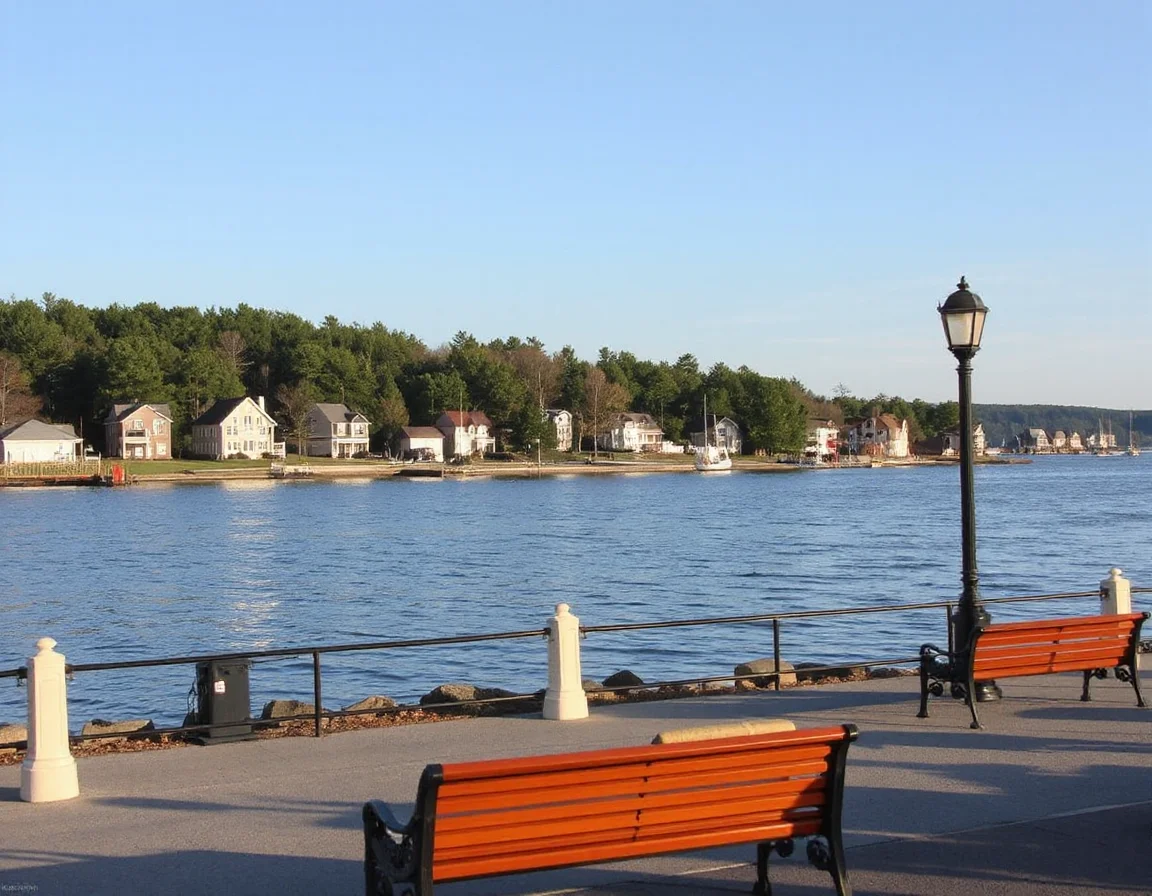
Near Lake Lanier, one of the biggest distinctions is whether the usable area between the home and the water is actually part of the parcel or controlled by the U.S. Army Corps of Engineers. That buffer can affect landscaping, pathways, and future plans for outdoor use. A beautiful backyard may feel like private waterfront, but ownership and use rights can be more limited than buyers expect.
It also helps to visit at different times of day. A route that seems simple in listing photos may feel steep, shaded, or longer in person, especially when carrying gear or planning regular water access. If the water connection is a major reason for the purchase, make sure the real-world experience matches the description.
In lake-area purchases, a five-minute clarification about frontage, path access, or dock eligibility can prevent major disappointment later in the process.
2. Review Dock Status, Permits, and Corps Rules
For many buyers, the dock question is the deciding factor. If a property already has a dock, verify whether it is permitted, what size it is, and whether the permit transfers with the property. If there is no dock, ask whether the lot is eligible for one and whether current conditions support that possibility. Assumptions here can be costly.
Lake Lanier has specific rules tied to shoreline management, vegetation, dock maintenance, and transfer procedures. Even when a dock is already in place, buyers should understand any responsibilities connected to it, including upkeep, walkway condition, and permit compliance. It is worth asking for documentation early rather than discovering an issue just before closing.
Water levels can also change the way a dock feels from season to season. A dock that looks ideal one month may sit differently during another stretch of the year. Touring the property with that variability in mind gives you a more realistic picture of everyday use rather than a one-day snapshot.
3. Check Flood Zones, Drainage, and Insurance Costs
Homes near the water deserve extra attention when it comes to flood maps, drainage patterns, and insurance. Not every property by Lake Lanier sits in a high-risk flood zone, but some do, and even homes outside those zones can have grading or runoff issues after heavy rain. A scenic slope toward the water may need a closer look at erosion, retaining walls, gutters, and stormwater flow.
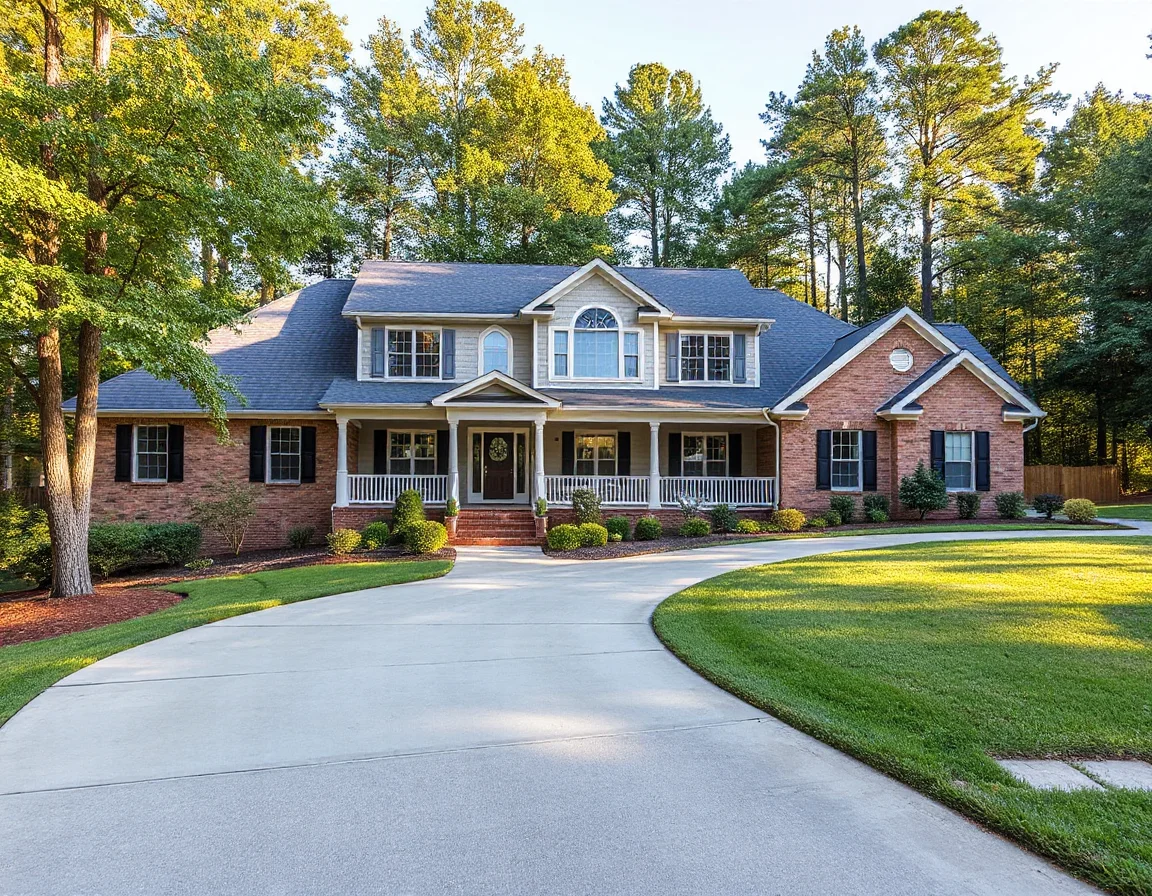
Insurance costs can vary based on the structure, elevation, water proximity, and carrier requirements. Getting quotes before your due diligence period ends can help you avoid budget surprises. In some cases, the monthly ownership cost looks very different once insurance and maintenance are added to the mortgage calculation.
Pay attention to the driveway and exterior surfaces as well. Steep approaches, shaded pavement, and drainage channels may not seem like major concerns during a quick showing, but they can affect day-to-day convenience and repair needs over time. A thorough inspection should include the site, not just the interior.
A strong lake-area offer is not just about purchase price. Insurance, slope maintenance, and drainage improvements can meaningfully change the total cost of ownership.
Because conditions can differ from one cove or road to the next, buyers benefit from looking beyond broad assumptions about the area. One property may be straightforward and low maintenance, while another just a short distance away may involve far more site work than expected.
4. Test the Road Access and Everyday Drive
Lake-area homes can feel tucked away, and that privacy can be appealing, but access matters. Before you commit, drive the route more than once. Try it during a weekday morning, a weekend afternoon, and after dark if possible. Curving roads, narrow approaches, and event-day traffic near marinas or parks can influence how the location works for your routine.
In the Cumming area, access to shopping, medical offices, commuter routes, and recreation can vary considerably depending on which side of the lake and which road network a home uses. A listing might mention lake proximity first, but your long-term experience will also be shaped by errands, school routes, and how easily guests or service providers can reach the home.
Parking is another detail worth checking closely. Some lake properties have limited turnaround space, sloped driveways, or tighter parking pads than buyers expect. If you plan to store a trailer or simply want easier hosting capacity, confirm what the property can comfortably accommodate.
5. Look Beyond the View to the Lot Itself
A water view can be the emotional hook, but the lot is what often determines how functional the property feels over time. Study how much usable outdoor space there is for seating, grilling, gardening, or simply moving around comfortably. Some homes trade level yard space for elevation and panoramic views; others offer easier outdoor living but a narrower visual connection to the lake.
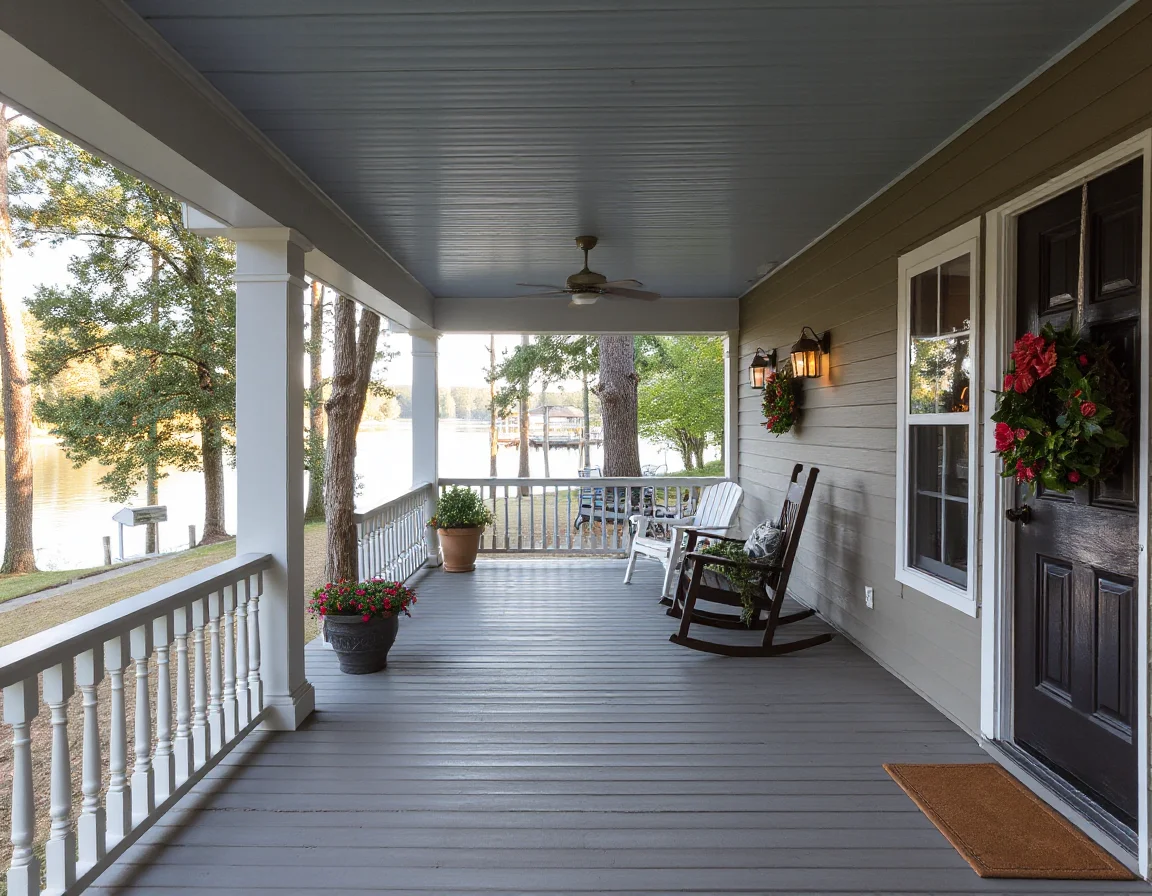
Mature trees are common and often beautiful around Lake Lanier, but they can also affect sunlight, leaf debris, roof upkeep, and sightlines. In some cases, a winter view changes significantly once foliage returns in warmer months. Ask what the property looks like throughout the year so your expectations stay grounded in seasonal reality.
Inside the house, consider whether the layout makes the most of the setting. Does the main living area face the water? Is there easy flow to outdoor spaces? Are windows positioned to bring in the best natural light? A lake-area purchase often carries a premium, so it is reasonable to expect the home to capture that setting well.
These details do not just affect enjoyment; they also influence resale appeal. Buyers down the road may be evaluating the same combination of view, usability, maintenance, and layout that you are weighing today.
6. Research Nearby Activity Levels and Seasonal Patterns
One of the benefits of living near Lake Lanier is the energy that comes with boating, marinas, parks, and outdoor recreation. At the same time, activity levels can shift depending on the season, weather, and holiday schedule. A quiet weekday tour may not reflect how the immediate area feels during a busy summer weekend.
That does not make a location better or worse; it simply means buyers should understand the rhythm of the area before making a decision. Notice traffic near launch points, sound carry across the water, and how nearby recreation areas affect the atmosphere. If you are choosing between multiple homes, these small differences can become major tie-breakers.
It is also smart to evaluate nearby conveniences alongside recreation. Proximity to grocery options, everyday services, and local routes through Cumming and Forsyth County can be just as important as proximity to the shoreline. The strongest fit is usually a property that balances scenic appeal with practical access.
7. Compare the Home as a Full Investment, Not Just a Destination
Lake properties can create an immediate emotional connection, and that is part of their appeal. Still, a smart purchase requires stepping back and evaluating the full package: price, condition, lot quality, water-related restrictions, insurance, updates, and resale flexibility. A home with a slightly less dramatic first impression may actually be the stronger choice if it offers better usability and fewer ownership surprises.
That is especially true in a market where buyers may be balancing limited inventory with highly specific goals. Taking a business-minded approach can help keep the process clear. Confirm the facts, compare the trade-offs, and understand where the premium is coming from. Working through those details before you buy can protect both your enjoyment of the home and your long-term financial comfort.
Near Lake Lanier, the best decisions tend to come from careful observation rather than assumptions. If you check access, permits, insurance, road patterns, lot usability, and seasonal activity before writing an offer, you will be in a much stronger position to recognize the right opportunity when it appears.