
Atlanta buyers often tour several homes in a single weekend, and understanding local architectural styles can make those visits far more productive. From classic brick traditionals to in-town bungalows and newer farmhouse-inspired builds, each style tends to signal different layouts, maintenance needs, and resale considerations. Knowing what to expect before you step through the front door helps you compare homes with more clarity and less guesswork.
Why home style matters before you tour
Touring homes is exciting, but it can also become a blur fast. One driveway leads to another, kitchens start to blend together, and buyers sometimes focus so much on staging that they miss the bigger picture: the style of a home often hints at how it lives day to day. In Atlanta, that matters because the market includes everything from older in-town properties with character details to newer suburban construction built around open-concept living.
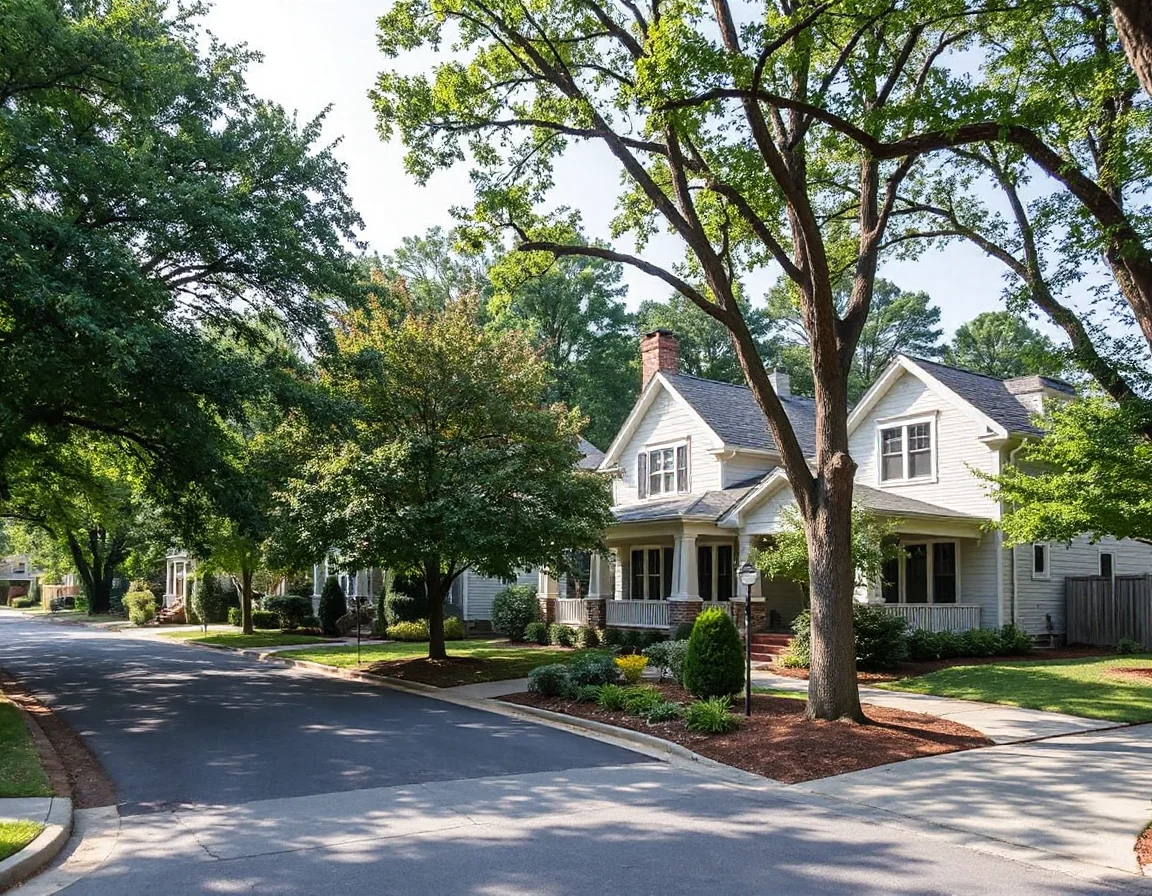
A home's style can shape everything from ceiling height and storage to lot use and ongoing upkeep. It can also affect renovation flexibility. For example, a house with a more formal floor plan may offer separate rooms that some buyers value for privacy or work-from-home use, while another style may prioritize larger shared living spaces and newer finishes. Neither is automatically better; the key is understanding what tradeoffs come with each design.
If you know the common styles ahead of time, your tours become more strategic. You can ask sharper questions, notice patterns sooner, and decide whether a home's appearance matches your goals for layout, maintenance, and future updates.
A quick style check before each showing can save time: exterior shape, window pattern, roofline, and porch design often tell you a lot about the floor plan before you even walk in.
1. Traditional brick homes
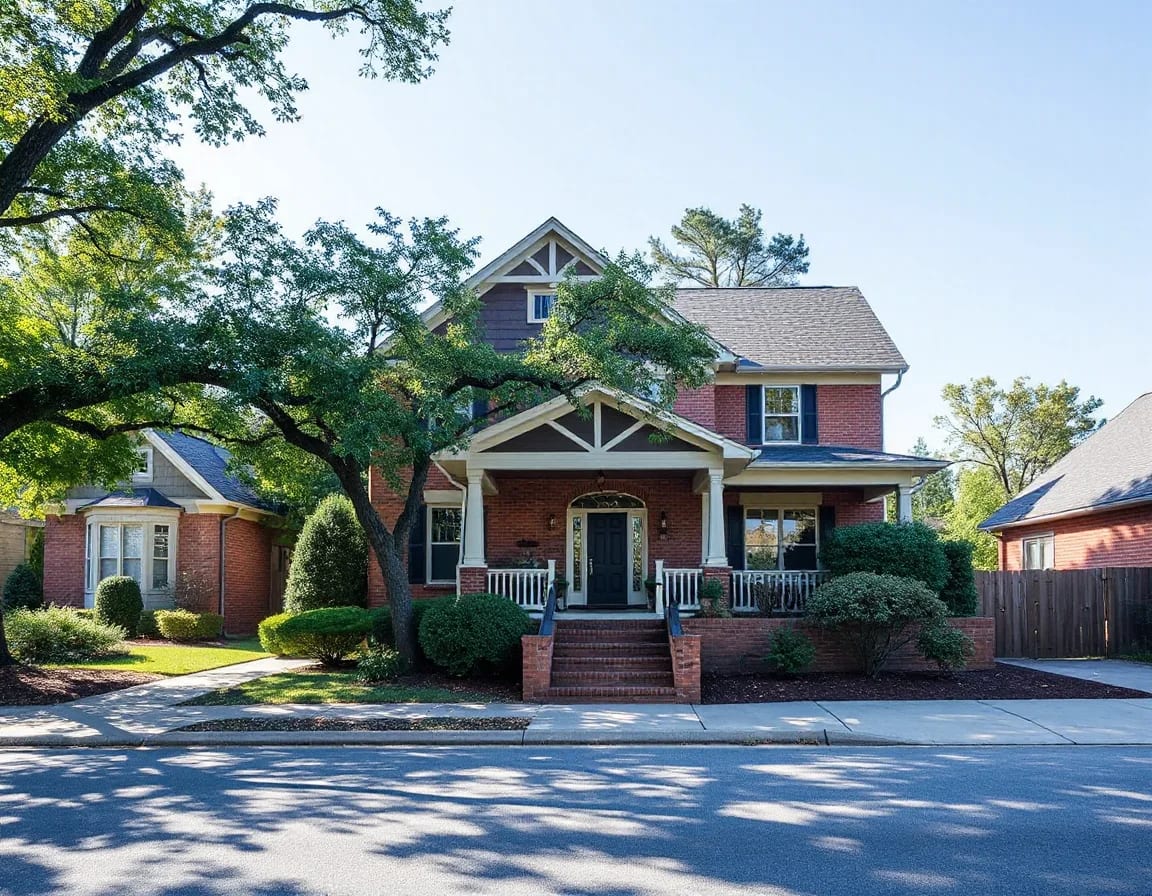
One of the most recognizable Atlanta-area home styles is the traditional brick house. These properties often appear in established neighborhoods and are known for symmetrical fronts, formal entryways, shutters, and multiple defined living spaces. Inside, buyers may find separate dining rooms, formal sitting areas, and staircases positioned near the front foyer rather than in the middle of an open main level.
Many buyers appreciate the classic appearance and durable exterior materials. Brick can offer a timeless look and generally lower exterior repainting needs compared with some siding-heavy designs. During tours, pay attention to window age, roof condition, insulation updates, and whether the floor plan feels connected enough for your daily routine. Some traditional homes have been beautifully modernized inside, while others still reflect older room-by-room layouts.
These homes can be especially appealing when you want a sense of architectural permanence and established streetscapes. The practical question is whether the interior flow matches how you plan to use the home now, not just how it photographs online.
2. Craftsman homes and bungalows
Craftsman homes, including smaller bungalow versions, remain a standout style across many Atlanta neighborhoods. They are usually easy to spot thanks to their covered front porches, tapered columns, exposed rafter details, and inviting facades. Inside, these homes often feature built-ins, fireplaces, wood trim, and a layout that balances character with practical room connections.
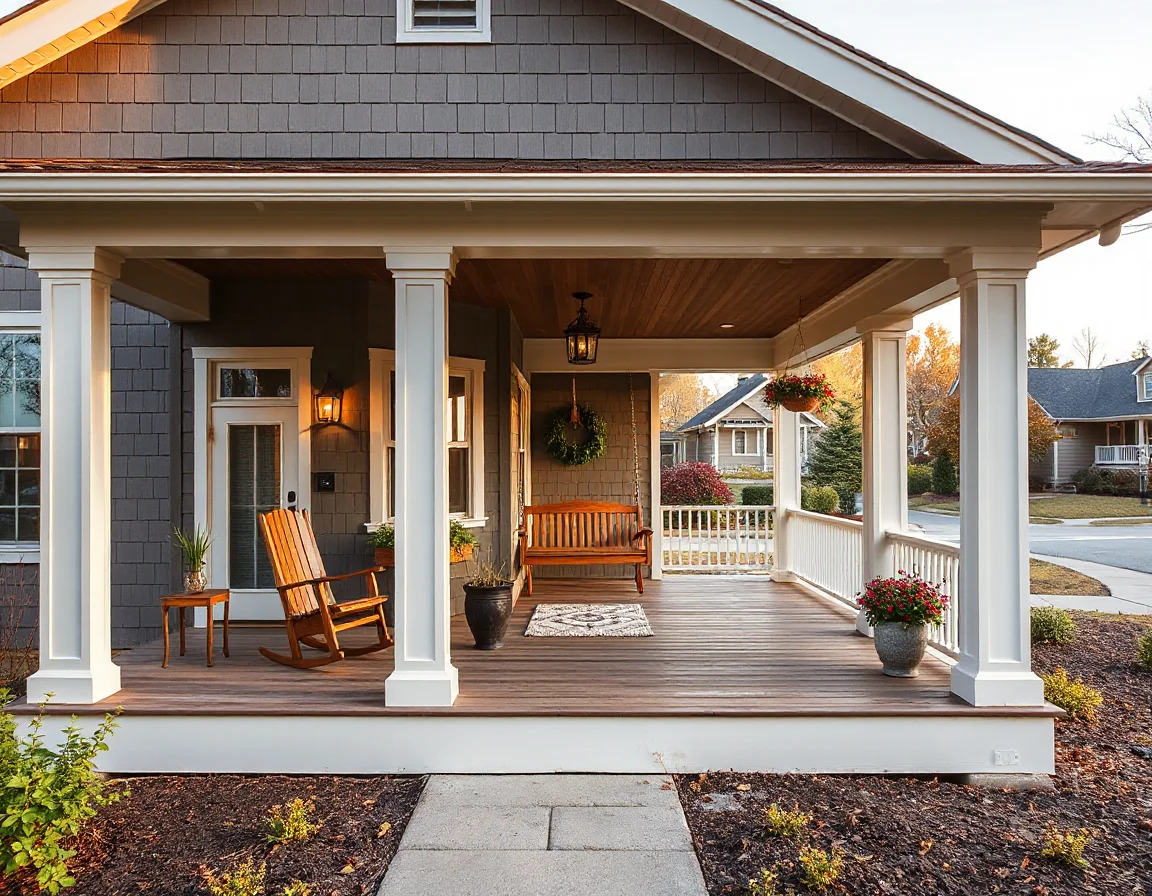
What buyers often love here is personality. Original details can create warmth that newer construction sometimes tries to imitate. That said, character and age often travel together. Touring a Craftsman means looking beyond charm to inspect foundation condition, moisture management, electrical updates, and how thoughtfully previous renovations were completed. A beautifully restored kitchen matters, but so does the condition of plumbing lines hidden behind the walls.
Another point worth noting is lot size and parking. Some in-town bungalows offer exceptional location convenience but smaller driveways, tighter storage, or less square footage than suburban buyers first expect. Understanding those tradeoffs before touring helps keep expectations realistic and comparisons fair.
For many buyers, this style lands in a sweet spot: distinctive curb appeal, usable porches, and a design language that feels rooted in place. Just be prepared to balance charm with the realities of maintaining an older structure.
3. Ranch homes
Ranch homes remain important across metro Atlanta because they offer a single-level layout that many buyers find easy to navigate and easy to furnish. Exteriors tend to be low-slung and straightforward, and interiors often feature practical room placement with living, sleeping, and kitchen areas all on one floor. Some have been fully updated; others provide strong renovation potential for buyers who want to personalize over time.
When touring ranch homes, look carefully at ceiling height, natural light, and whether additions have blended well with the original structure. Some ranches feel remarkably open after renovation, while others retain narrower hallways or more compact kitchens. Garage conversions, enclosed porches, and bonus spaces can add flexibility, but it is worth checking whether those spaces feel fully integrated into the home's flow.
These homes can also offer larger lots in certain areas, which can be useful if outdoor space is a priority. The biggest touring advantage is clarity: ranch layouts are usually easy to understand in minutes, so you can focus on condition, updates, and lot value rather than trying to decode a complicated floor plan.
If a ranch feels smaller than the listed square footage suggests, pay attention to room proportions and storage. Efficient layouts often perform better in daily use than square footage alone implies.
4. Contemporary and modern builds
Atlanta has also seen strong interest in contemporary and modern homes, especially in newer construction and select in-town infill developments. These homes often emphasize clean lines, large windows, open living areas, simpler trim packages, and strong indoor-outdoor visual connections. The appeal is often immediate: bright interiors, streamlined finishes, and layouts designed around current living patterns.
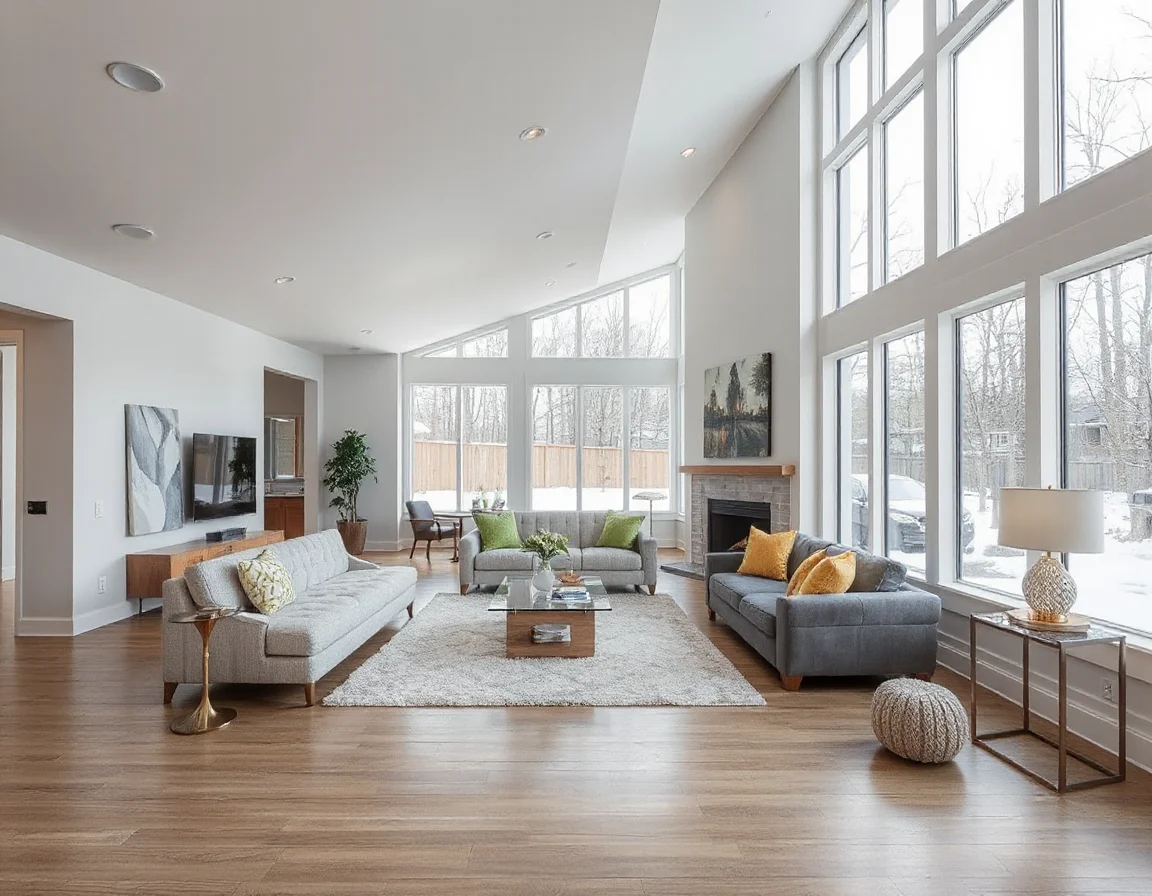
While the look is polished, buyers should still examine function closely. Large expanses of glass, flat or low-pitch roof elements, and distinctive exterior materials can create a strong design statement, but they may also come with maintenance considerations. During tours, evaluate privacy, storage, energy efficiency, and how the open plan handles acoustics and daily activity.
Another thing to watch is whether the design feels intentionally modern or simply minimal without enough practical support. A striking kitchen island is great, but so are pantry space, mudroom storage, and furniture placement options. The best contemporary homes combine visual simplicity with thoughtful livability.
For buyers who prioritize current finishes and a less compartmentalized layout, this category can be a strong fit. It is especially helpful to compare several examples in person, because modern design can vary widely in quality from one builder or renovation team to another.
Talk through your Atlanta home search
5. Newer farmhouse-inspired homes
Farmhouse-inspired construction has become a familiar sight in many Atlanta-area communities. These homes typically mix board-and-batten or light-toned exteriors, dark window accents, generous kitchens, flexible bonus rooms, and broad main living spaces. In many cases, the style is less about rural architecture and more about a current blend of traditional comfort and updated finishes.
Buyers are often drawn to the balance of familiarity and freshness. Large islands, walk-in pantries, drop zones, and primary suites with substantial bathrooms are common features. As with any newer-build category, it is smart to compare not just aesthetics but also construction quality, lot orientation, backyard usability, and how much of the square footage is truly functional rather than simply impressive on paper.
One advantage of touring this style is predictability. Many farmhouse-inspired homes align closely with what today’s buyers expect in terms of open layouts, storage, and finish selections. Still, newer does not automatically mean better for every buyer. If you prefer more defined rooms, mature landscaping, or less similarity between neighboring homes, another style may deliver a better long-term match.
Tour with a sharper eye
The more you understand Atlanta’s major home styles, the easier it becomes to separate surface-level appeal from genuine fit. Exterior design can hint at maintenance patterns, interior flow, and future renovation opportunities long before a showing ends. That kind of perspective helps buyers stay focused when inventory moves quickly.
Whether you are drawn to classic brick traditionals, porch-centered Craftsman homes, practical ranch layouts, modern builds, or farmhouse-inspired new construction, the best tours are the ones where you know what questions to ask. A thoughtful approach turns each showing into useful data, and that makes the next decision a lot easier.